-
Pumps
About submersible pumps
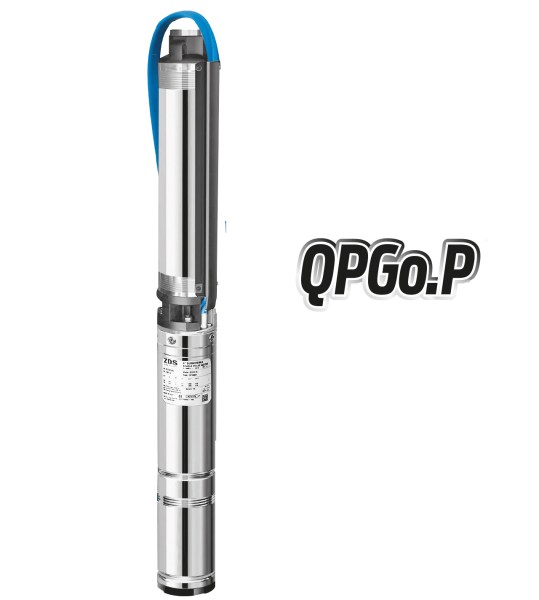
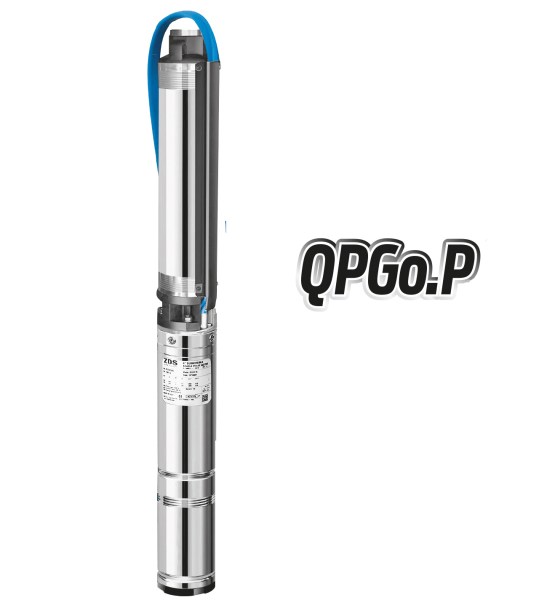
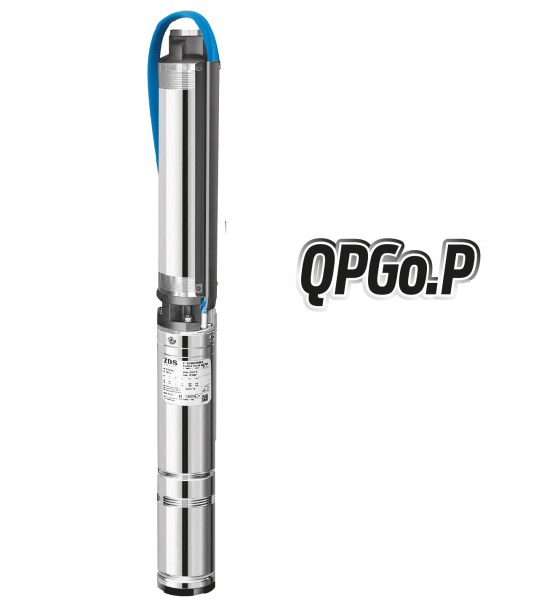
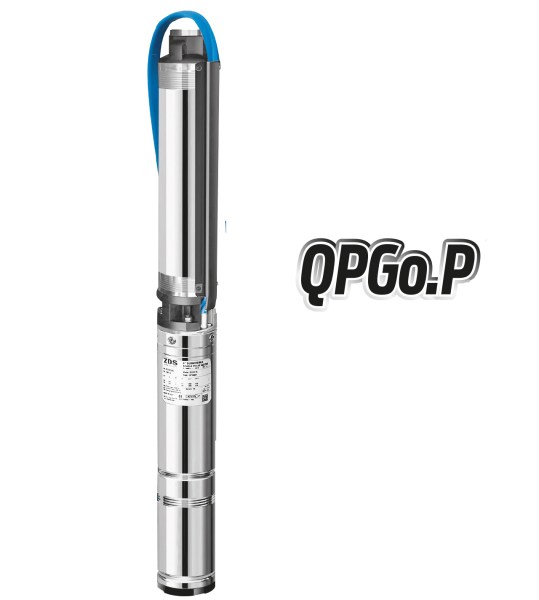
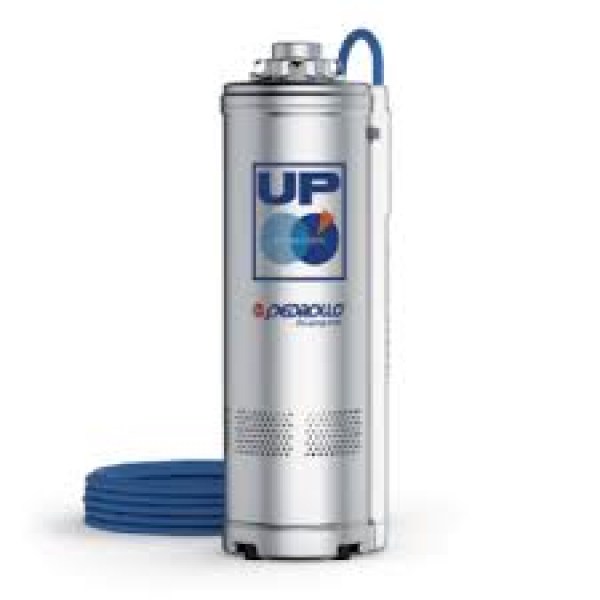
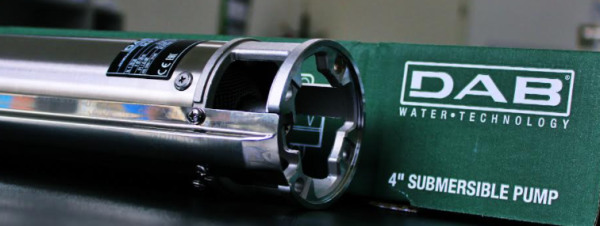
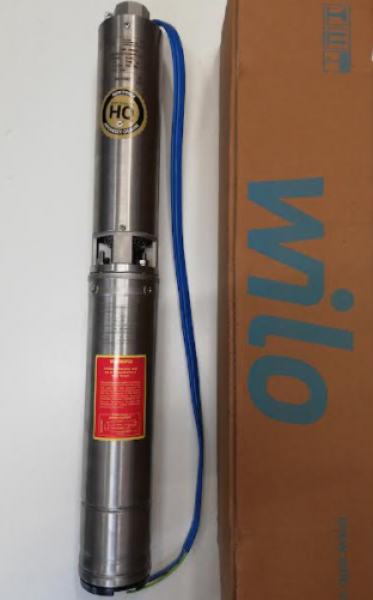
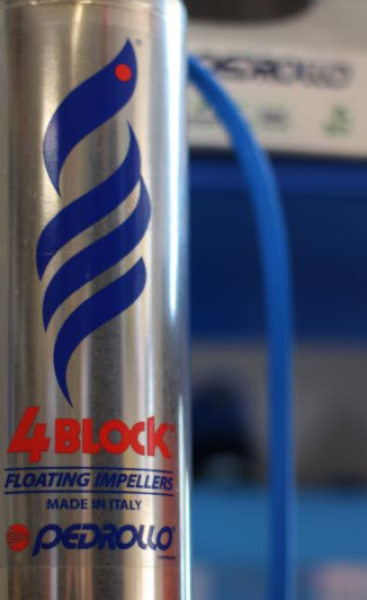
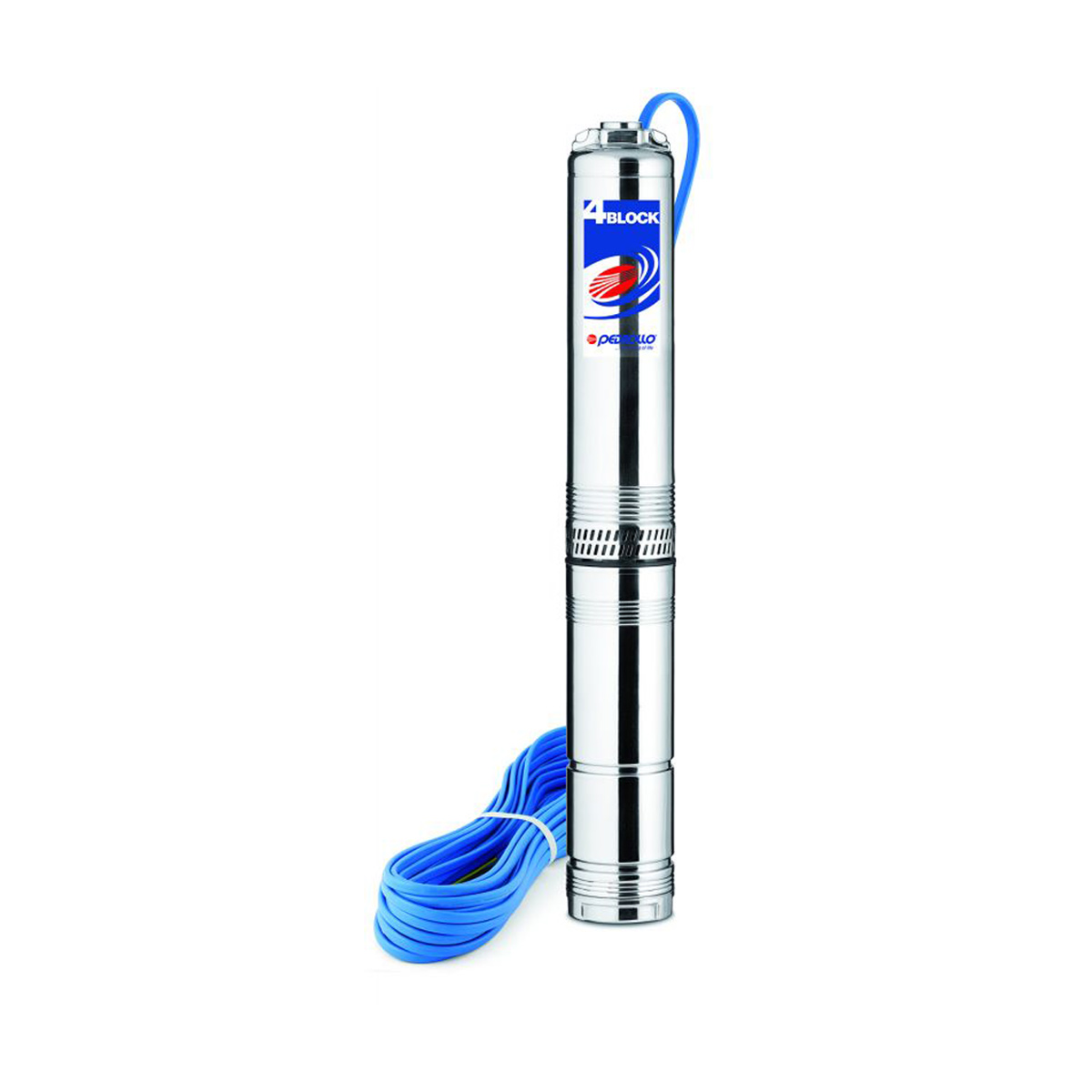
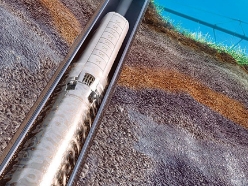
A submersible pump is a tubular cylindrical pump used to pump water from drilled wells. A submersible pump is a machine group that consists of a hydraulics and a motor part. The hydraulics are located at the top and the motor part at the bottom within the submersible pump machine group. The design thus ensures proper cooling for the submersible pump. Submersible pumps can also be called deep well pumps or pipe pumps.

-
Choosing a submersible pump
The choice of submersible pump always depends on the application. The primary pumping area is drilled wells, but they can also pump from cisterns and water reservoirs if the manufacturer allows horizontal installation. In the case of dug wells and water reservoirs, all submersible pumps must be equipped with a jacket pipe, which creates adequate cooling around the motor.
The main characteristics of a submersible pump are water delivery and lifting height. Once we know how much water needs to be pumped, we only need to select the appropriate pressure value, which is the lifting height of the submersible pump.
Every submersible pump has a characteristic curve that shows how much water the pump can deliver at what head. For example, a 40 liter 6 bar submersible pump means that the maximum head is 60 meters and the maximum water flow is 40 liters/minute. These values are indicated on the pump's data plate as Qmax (water flow) and Hmax (head), followed by the Wattage, which is how many watts the submersible pump can deliver at this head and water flow.

-
Submersible pump installation
The submersible pump is primarily recommended for drilled wells. In drilled wells, the submersible pump should always be installed 2-5 meters below the operating water level so that the pump cannot run dry during operation. The operating water level is measured by the well driller during the test run. If we do not know the operating water level, it is worth measuring it.
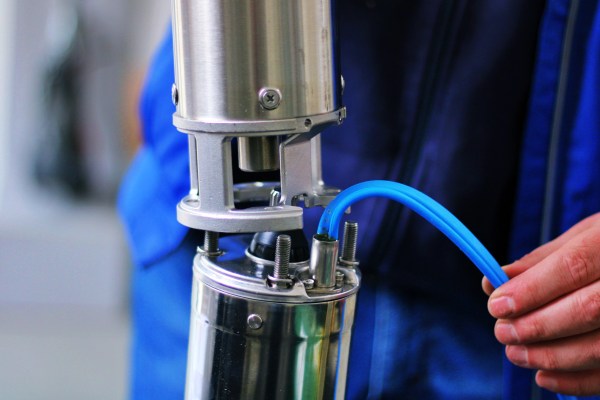
The most important thing is that the installation should be entrusted to a professional because a small mistake can ruin the well. During the installation, you must be very careful that nothing, not even a screw, can fall into the well. Things that have fallen into the well can jam the submersible pump, which can be very difficult or impossible to remove from the well. There are a few steps to follow when installing a submersible pump. First step, if the pump is equipped with a check valve, do not install another check valve directly on the pump neck, leave 1 meter.
During installation, securely tie the production pipe, electrical wire and the inlet rope. For wells deeper than 30 meters, use A4 acid-resistant wire rope. Do not use quick ties to tie them together. Installation tape, 5cm thick adhesive tape (insulating tape) is suitable. It is important to note that at great depths, not only the submersible pump has weight. The production pipe, if not properly secured and made of plastic (KPE), can break under its own weight. At greater depths, 100 meters or deeper, it is recommended to install a check valve in the middle of the production pipe. The electrical cable extension should be waterproof, not just shrink-wrapped, but also poured with two-component resin. These two things are essential for safe submersible pump installation. Always close the well mouth after installation!
-
Pumps
About the garden pump
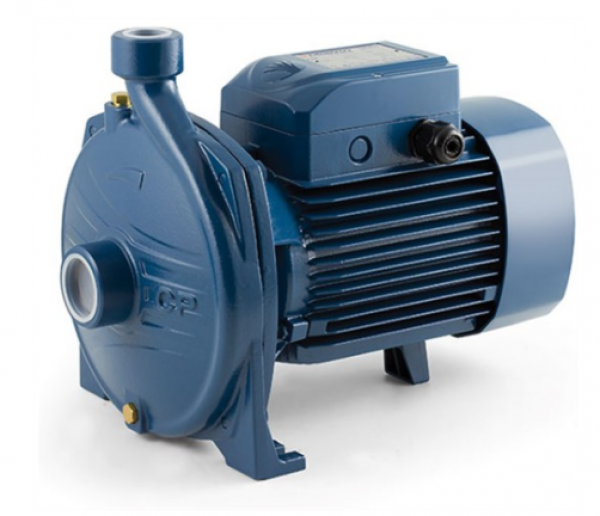
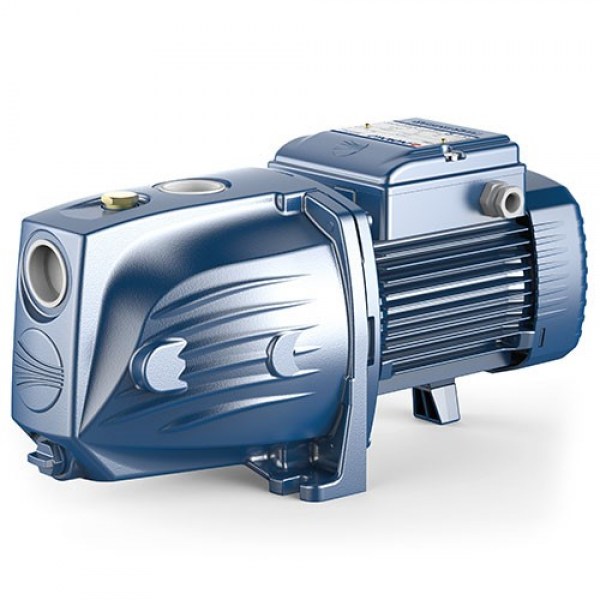
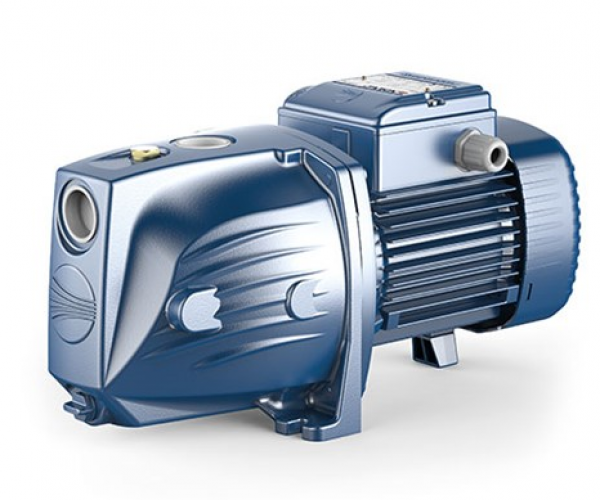
What can be said in general about garden pumps, to get a clearer picture, is that it is a self-priming JET system, single-blade pump. The self-priming capacity is always determined by the manufacturer, but not more than 9 meters. Proper operation is valid if there is a 30-40 cm water column on the foot valve during operation in the event of suction. The JET system is necessary if there is a dissolved gas content in the water.
The JET system is able to separate the gas in the water and transfer the liquid, i.e. water, without a pressure drop. Useful pumps. Garden pumps can be used for watering small gardens with hoses, to create a home waterworks, or to increase pressure or to feed water to heat exchangers.
-
What should you pay attention to when using garden pumps?
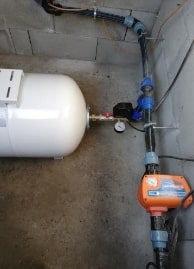
The pump can freeze if left outside in winter. It was developed for pumping clean water, the pump housing and impeller can wear out quickly if the water contains excessive abrasive materials. This is general information about garden pumps. When connected to a domestic water supply with a booster tank, the garden pump is already considered a domestic waterworks. The device will work properly if everything is set up correctly.
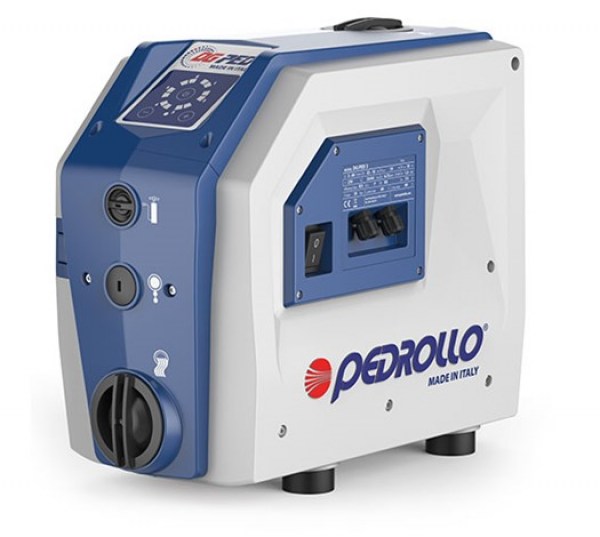
The pre-pressure of the booster tank is a very important factor. If we want to use it for everyday use, it is worth considering the use of a garden pump with frequency control, which is able to maintain a constant pressure in the system. Such a pump is e.g. the Pedrollo DG PED 3. A garden pump may not be the best solution for pressure boosting. A pump with several impellers provides a more stable and extended characteristic curve, and is therefore more suitable.
The self-priming of several impeller pumps is ensured by a reversing valve, which is not needed for pressure boosting and may even get stuck, so we recommend using pumps without a reversing valve for pressure boosting. The pump can freeze if left outside in winter. It was developed for pumping clean water, the pump housing and impeller can wear out quickly if the water contains excessive abrasives. This is general information about garden pumps.
In the case of a domestic water supply, the garden pump is already included as a domestic waterworks when connected to a booster tank. It is important for proper operation that everything is set correctly. The pre-tension pressure of the booster tank is a very important factor. If you want to use it for everyday use, it is worth considering a garden pump with frequency control, which is able to maintain constant pressure in the system. Such a pump is, for example, the Pedrollo DG PED 3.
A garden pump may not be the best solution for pressure boosting. A pump with multiple impellers provides a more stable and extended characteristic curve. The self-priming of a pump with multiple impellers is ensured by a diverter valve, which is not needed for pressure boosting and may even get stuck, which is why we recommend using pumps without a diverter valve for pressure boosting.
-
Garden pump installation
The suction pipe and the pump housing of the garden pump must be filled with water before the first start. A tap in the pressure pipe must be left half-open. During operation, you must wait until all air has been removed from the system. When used as an inflow, the pump housing does not need to be filled, but a non-return valve must be installed in the pump suction pipe. The safety regulations must be observed!
-
Pumps
About sewage pumps
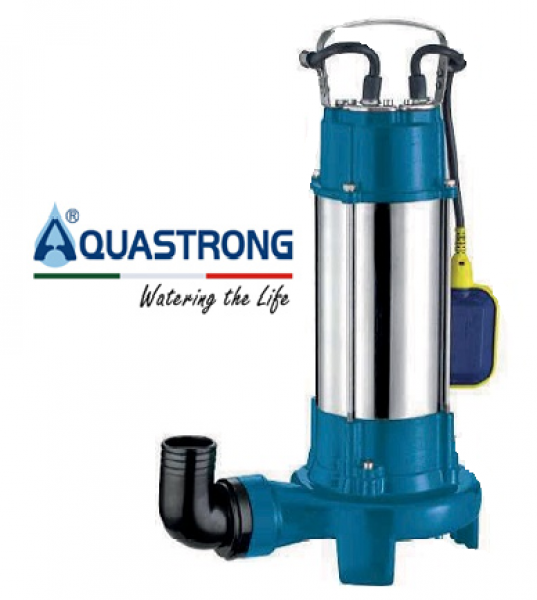
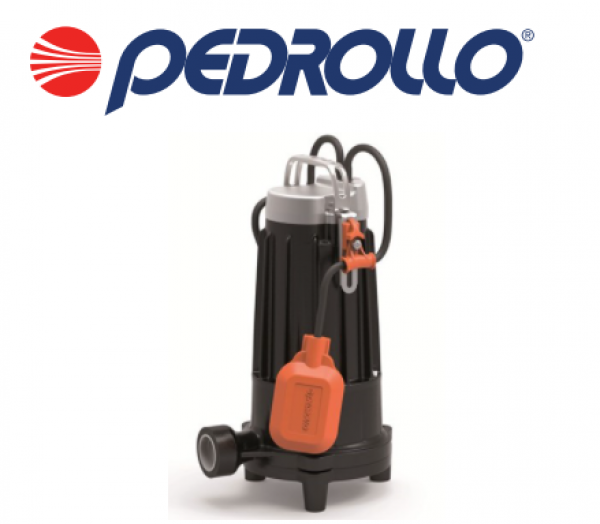
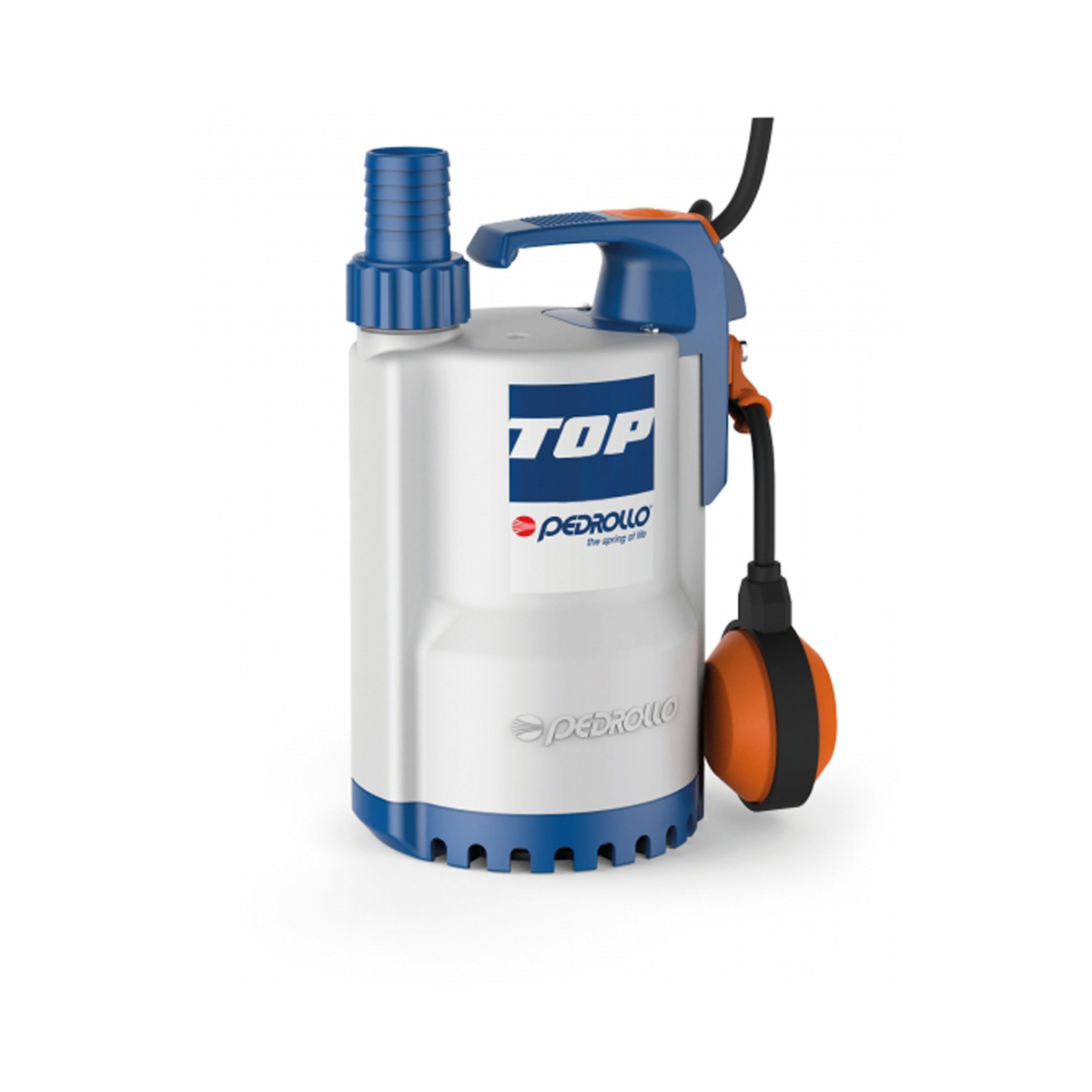
A sewage pump is a pump that is capable of pumping unclean water, i.e. water mixed with solid and non-solid impurities. It is necessary to know what contaminants may be in the water in order to install the most suitable pump for the task.
It should be clarified whether it is wastewater or contaminated water. Contaminated water can be any water that is produced or exists as a high-purity by-product, chemically or biologically contaminated, but free of suspended or solid contaminants.
Ilyen vizek lehetnek az elhasznált fürdővíz, konyhai mosogatólé, esetleg autómosók újrahasznosított vize. Ezekhez a vizekhez alkalmazhatunk olyan szennyvíz szivattyút, ami felső kivezetéses. Szennyvíz az, ami fekáliát és szilárd szennyeződéseket tartalmaz. Szennyvizekhez oldal kivezetéses és nyitott járókerekes, Vortex vagy csatornás járókerekes szivattyúk alkalmazása szükséges.
-
Szennyvíz szivattyú kiválasztásakor elkövetett hibák
A legnagyobb hiba, ha azt mondják, hogy vegyünk darálós szennyvíz szivattyút, mert az mindent ledarál. A darálós szennyvíz szivattyúk nem képesek minden szennyeződéssel elbánni. A kemény vagy szálas szennyeződések gondot okozhatnak. A műanyagot is tartalmazó popsitörlő kendők azok, amik összeállnak olyan kötélszerű anyaggá, ami szinte azonnal képes megszorítani a szivattyú tengelyét.
Csak olyan esetben válasszon darálós szennyvíz szivattyút, ha azt a tervező előírta vagy a szennyvizet nyomott főcsatornába kell juttatni, esetleg a fogadó főcsatorna messze található. Minden más esetben nyitott járókerekes szennyvíz szivattyúk alkalmazása ajánlott.
Szennyvíz szivattyú kiegészítőként érdemes a védelemről és a riasztásról is gondoskodni. Ha esetleg a szivattyú megakad, a készülék képes beavatkozni és riasztást ad ki. Tudni fogjuk, ha baj van!
Házi vízellátásnál hidrofor tartállyal egybekötve a kerti szivattyú már házi vízműként szerepel. A szerkezet akkor fog megfelelően működni, ha minden jól van beállítva. A hidrofor tartály előfeszítő nyomása nagyon fontos tényező. Ha mindennapos használatra szeretnék alkalmazni, akkor érdemes megfontolni a frekvencia vezérléssel ellátott kerti szivattyú használatát, ami képes állandó nyomástartásra a rendszerben. Ilyen szivattyú pl. a Pedrollo DG PED 3.
A kerti szivattyú nyomásfokozáshoz nem biztos, hogy a legjobb megoldás. Több járókerekes szivattyú stabilabb és nyújtottabb jelleggörbét biztosít, ezért alkalmasabb. Több járókerekes szivattyú önfelszívását váltószelep biztosítja, amire nyomásfokozásnál nincs szükség, sőt, ki is akadhat, ezért javasoljuk a váltószelep nélküli szivattyúk alkalmazását nyomásfokozáshoz.
-
Mire ne alkalmazzon szennyvíz szivattyút
Tavak vizeinek tisztítására, kotrására nem alkalmas. Ilyen feladatok elvégzésére a kotró szivattyú a megfelelő választás. Ásott kutak vizeinek szivattyúzására nem alkalmas, ha nagyobb nyomást kell előállítani. Ezekhez merülő többlapátos szivattyú alkalmas, abban az esetben ha tiszta a víz. Öntöző rendszerek megtáplálásához nem alkalmas a szennyvíz szivattyú.




 Feszültség:
 Teljesítmény:
 Emelőmagasság:
 Szállítási teljesítmény:
 Jótállás








 Átmérő:








 Szivattyú beüzemelés